
HAZWOPER Center Logo

H2S Training Online & H2S Recertification in Oklahoma

Oklahoma

Hydrogen sulfide exposure is a serious concern across Oklahoma, especially in oil and gas production, drilling operations, refineries, pipelines, and industrial facilities. H2S is a toxic gas that can overwhelm workers quickly, even at low concentrations, making proper training a critical part of jobsite safety. HAZWOPER Center provides online H2S training for Oklahoma workers, offering practical instruction that supports employer safety programs and worker awareness. Our hydrogen sulfide certification course helps workers recognize hazards early and respond appropriately in real working conditions.

H2S training is commonly required for workers who may encounter hydrogen sulfide during drilling, production, maintenance, transport, or emergency response activities. In Oklahoma, this includes oilfield personnel, contractors, truck drivers, equipment operators, pipeline workers, and supervisors responsible for site safety. Our online H2S certification course allows workers to complete training at their own pace while learning how hydrogen sulfide behaves, how exposure occurs, and how to reduce risk. The course focuses on practical knowledge that can be applied immediately on the job.
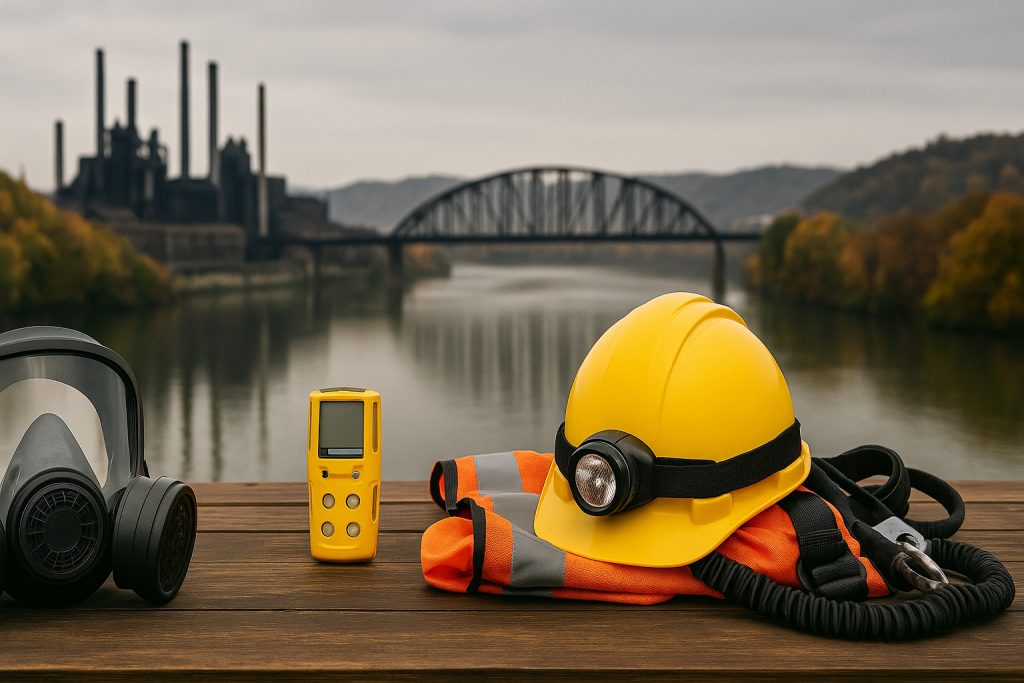
Table of Contents

Equipment for 24-hour HAZWOPER training in Alaska

What Our Hydrogen Sulfide Training Covers

This course explains what hydrogen sulfide is, where it is commonly found in oil and gas and industrial settings, and why it presents such a serious hazard. Workers learn how H2S affects the body, common symptoms of exposure, and why relying on smell alone is unsafe.

Detection, Monitoring, and Workplace Practices

Students learn how hydrogen sulfide is detected using personal monitors and fixed detection systems. The course also covers awareness practices, ventilation methods, and worksite procedures that help reduce exposure risks across Oklahoma operations.

Emergency Response and Worker Safety

The training reviews proper response actions during an H2S release, including evacuation procedures, communication protocols, and basic respiratory protection awareness. This information supports safer decision-making during high-risk situations where time matters.

Who Should Take H2S Training in Oklahoma

H2S training is often required for oil and gas workers, drilling and rig personnel, refinery and plant workers, pipeline and transportation staff, contractors and subcontractors, and supervisors responsible for safety oversight. If your job involves potential exposure to hydrogen sulfide, your employer may require H2S certification before you begin work.

Hydrogen sulfide exposure can occur without warning, particularly in oil and gas and industrial environments. Proper training helps workers recognize hazards quickly and respond safely. Enroll in online H2S training or your H2S annual refresher today and complete your hydrogen sulfide certification with confidence anywhere in Oklahoma.

Worker during the HAZWOPER refresher in New Jersey

Why Oklahoma Employers Choose HAZWOPER Center for H2S Training

HAZWOPER Center has supported safety training for hazardous work environments across the United States for decades. Our H2S training courses are developed with input from experienced safety professionals who understand the risks present in oil and gas and industrial operations. Oklahoma employers value our training because it is clear, practical, and focused on real jobsite conditions. From enrollment through course completion, students receive straightforward guidance and reliable support.

AREAS SERVED

We provide online training courses for the following areas within Oklahoma:

Oklahoma Cities

  • Ada
  • Altus
  • Ardmore
  • Bartlesville
  • Bethany
  • Bixby
  • Blanchard
  • Broken Arrow
  • Chickasha
  • Choctaw
  • Claremore
  • Collinsville
  • Coweta
  • Del City
  • Duncan
  • Durant
  • Edmond
  • El Reno
  • Elk City
  • Enid
  • Glenpool
  • Guthrie
  • Guymon
  • Jenks
  • Lawton
  • McAlester
  • Miami
  • Midwest City
  • Moore
  • Muskogee
  • Mustang
  • Newcastle
  • Norman
  • Oklahoma City
  • Okmulgee
  • Owasso
  • Ponca City
  • Poteau
  • Pryor Creek
  • Sand Springs
  • Sapulpa
  • Shawnee
  • Skiatook
  • Stillwater
  • Tahlequah
  • The Village
  • Tulsa
  • Warr Acres
  • Weatherford
  • Woodward
  • Yukon

Serving the surrounding areas and throughout the US.

Frequently Asked Questions

Yes. Many Oklahoma employers accept online H2S training as part of their safety programs. Additional site-specific instruction may also be required depending on job duties.

Certification requirements vary by employer, but many companies require refresher training annually or every two years.

Workers in environments where hydrogen sulfide may be present, particularly oil and gas operations, are commonly required to complete H2S training.

Yes. The course is widely used by oilfield workers and contractors operating throughout Oklahoma.

Related Articles

Hazwoper Center Headquarters

2088 Estero Blvd 3E
Ft Myers Beach, FL 33931

7805 Shady Oaks Drive
North Richland Hills, TX 76182

OSHA Oklahoma Area Office

Check out the OSHA Oklahoma Area Office for more information.

Oklahoma City Area Office
5104 N. Francis Ave., Suite 200
Oklahoma City, OK 73118
(405) 608-4160

Oklahoma State Undergraduate Degree Programs

There are several undergraduate safety programs available in Alabama. They include but are not limited to:

OSU: Fire Protection and Safety Engineering Technology Program

Oklahoma State University in Stillwater, Oklahoma offers a Fire Protection and Safety Engineering Technology Program. Their fire protection and safety engineering technology (FPSET) curriculum provides training for assessing and reducing the loss potential with respect to fire, safety, industrial hygiene, and hazardous material incidents.

OSU-OKC: Fire Protection and Safety Technology Program

The FPST program prepares graduates for careers in Environmental Health and Safety (EH&S). EH&S position responsibilities typically include four major disciplines: Fire protection and life safety, safety science, environmental program management, and occupational health.